


Exa-SofT
HPC software and tools
Exa-SofT : Overview
Exa-SofT is one of the targeted projects (PC2) of the NumPEx PEPR, France’s exploratory research programme preparing the software ecosystem for exascale computing.
The end of Dennard scaling and the slowdown of Moore’s law have pushed supercomputers toward massive parallelism and hardware heterogeneity: exascale compute nodes combine ordinary CPUs with accelerators (mostly GPUs of varied architectures), alongside increasingly complex memory systems and interconnects. Developing numerical libraries and applications that are efficient, portable and maintainable on such machines is no longer a mere software-engineering problem — it calls for disruptive research across the whole software stack.
Rather than incrementally patching programming models designed for homogeneous machines, Exa-SofT takes a holistic approach spanning several layers of the stack — programming models, compilers, runtime systems, communication libraries, numerical libraries, and performance and energy analysis tools. The goal is a coherent, tightly integrated and exascale-ready software suite in which the expression of algorithms is decoupled from low-level architectural details.
Main scientific challenges
The project runs from 2023 to 2029 and is coordinated by Inria.
Consortium & Workpackages
Exa-SofT brings together five core partners plus one industrial partner that joined in 2025.
Consortium
Workpackages
A management work-package (WP0) handles coordination, dissemination and co-design with the other NumPEx projects. WP5 and WP6 act as cross-cutting activities across the whole stack.
Results & Impact
Selected scientific results
Impact and outreach
- Contribution to the launch of the Coordination Support Action “SPE” (Strategy for Post-Exascale) and to the ETP4HPC Strategic Research Agenda.
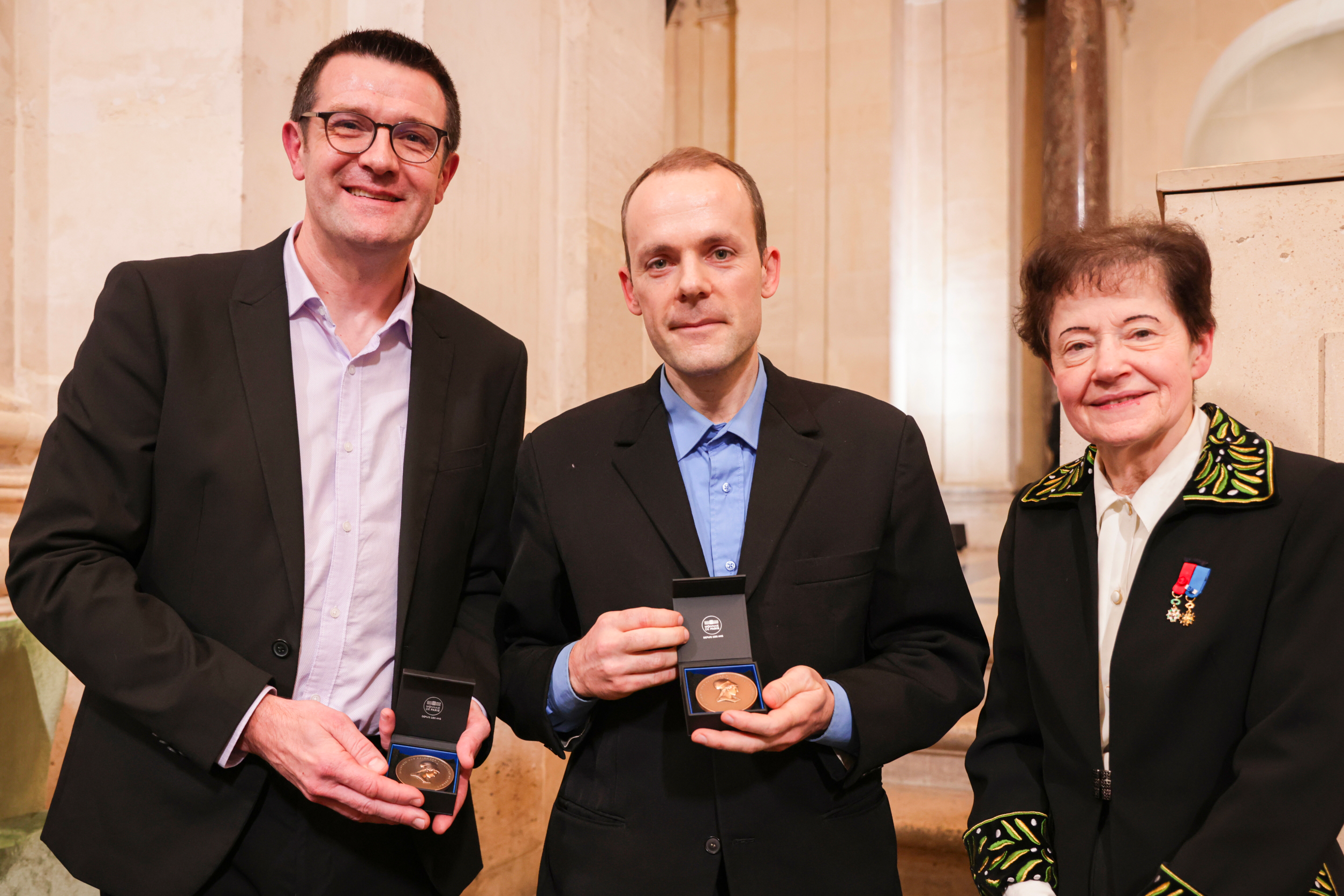
- Prize of Innovation of the Académie des Sciences awarded to Samuel Thibault for StarPU (WP3).
- New academic and industrial links: IFPEN, the ExaNLA initiative (Jülich), and collaborations with NVIDIA, Bull/Eviden and ATOS.
- Involvement in defining the software environment of the coming French exascale machines (Jules Verne, Alice Recoque).
- Sustained dissemination through journal and conference publications and community events (COMPAS, IPDPS, Cluster, InPEx, MUMPS Workshop), plus STEM outreach using EasyPAP.
Main software
Project Metrics
Project Metrics
Data as of 30 July 2026.
News
Exa-SofT latest news

Save the Date
Exa-SofT events
Discover the next Exa-SofT events: our seminars and conferences, as well as partner events
august, 2026
The Team
The Exa-SofT Team
Discover the members
Thomas Hérault
Project coordinator
Senior Researcher, Inria
Inria centre at the University of Bordeaux — TOPAL project-team, LaBRI, Talence
Loris Marchal
Project coordinator
Senior Researcher, CNRS
LIP (UMR 5668) — ROMA project-team, ENS de Lyon
The project was launched under the coordination of Raymond Namyst (University of Bordeaux) and Alfredo Buttari (CNRS).
Marc Pérache
WP1 co-leader
CEA Research Director and CEA Fellow
CEA — LiHPC ; CEA DAM Île-de-France, Bruyères-le-Châtel
Christian Perez
WP1 co-leader
Inria Senior Researcher — Head of the Avalon project-team
Inria — LIP (UMR 5668), Avalon project-team, Lyon
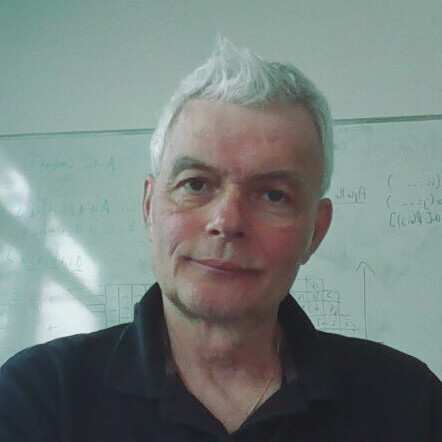
Philippe Clauss
WP2 co-leader
Professor — Head of the CAMUS project-team
Université de Strasbourg — ICube (UMR 7357), ICPS team ; Inria CAMUS project-team
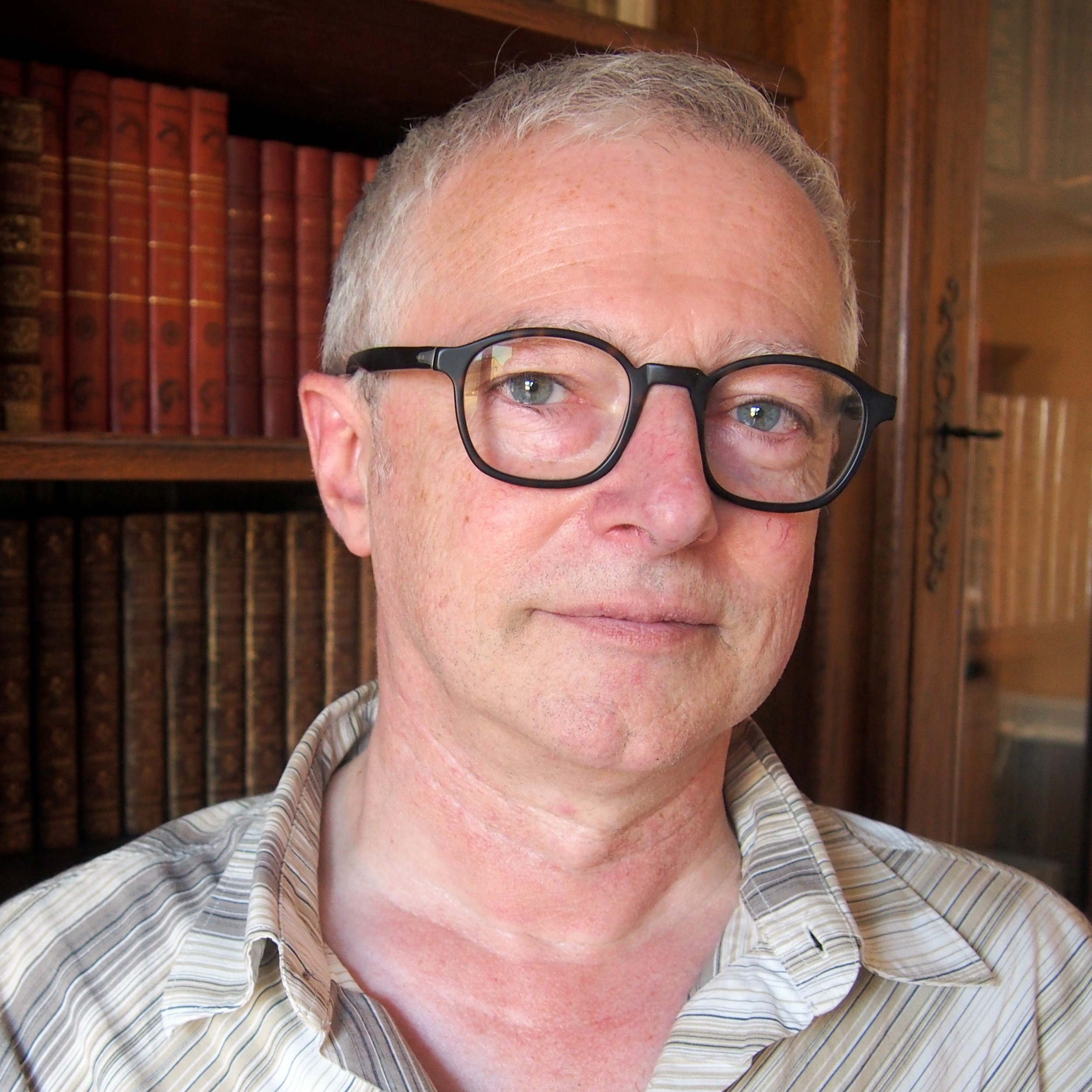
Thierry Gautier
WP2 co-leader
Researcher, Inria
Inria centre at Lyon — LIP (UMR 5668), Avalon project-team
Samuel Thibault
WP3 leader
Professor
Université de Bordeaux — LaBRI (UMR 5800), SATANAS ; Inria STORM project-team, Talence

Marc Baboulin
WP4 co-leader
Professor
Université Paris-Saclay — LMF (UMR 9021), Inria QuaCS project-team, Gif-sur-Yvette
Abdou Guermouche
WP4 co-leader
Associate Professor
Université de Bordeaux — LaBRI (UMR 5800), TOPAL team, Talence
François Trahay
WP5 leader
Professor
Télécom SudParis (IP Paris) — SAMOVAR (UMR 5157), ACMES team ; Inria BENAGIL, Évry-Courcouronnes
Georges Da Costa
WP6 co-leader
Professor in Computer Science
Université de Toulouse — IRIT (UMR 5505), SEPIA team, Toulouse

Amina Guermouche
WP6 co-leader
Associate Professor
Bordeaux INP — LaBRI (UMR 5800), Inria STORM project-team, Talence
Contact Us
Stay in contact with Exa-SofT
Leave us a message, we will contact you as soon as possible